What is needed and why?
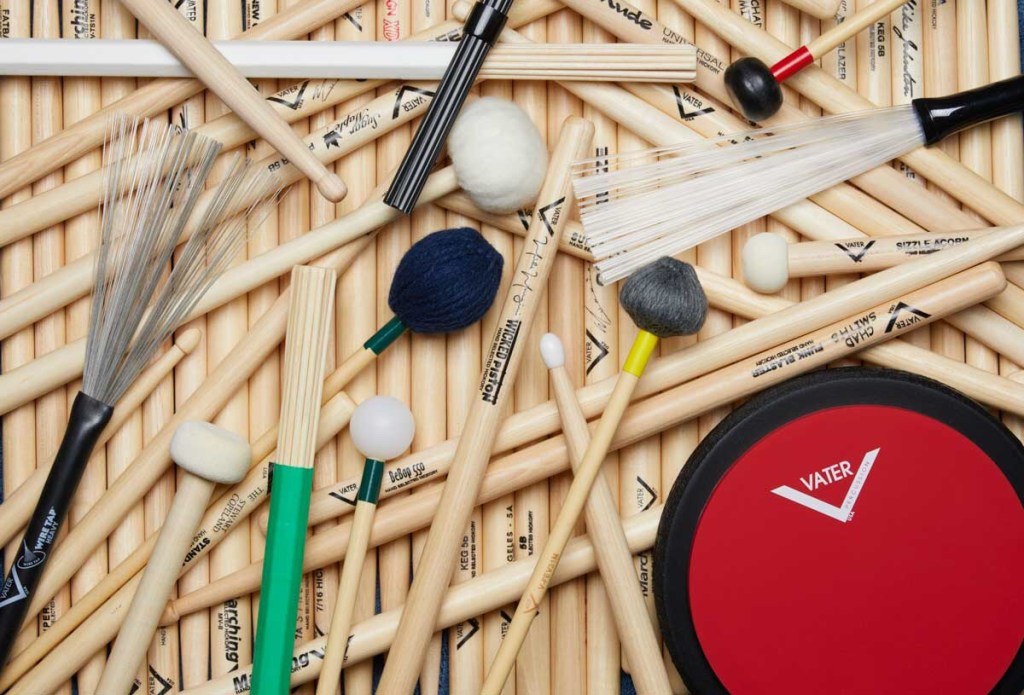
With so many choices of sticks and mallets available, what do teachers, students, and recreational players really need? There are many factors to consider and my goal is to help you navigate things a little easier. The topic of sticks and mallets can become as divisive as pizza toppings, including whether you factor in the debate over pineapple. Below are my opinions on the topic, based on years of experience with manufacturers, retailers, working directly with schools and educators, and as a performing percussionist myself.
One question educators need to ask is who supplies sticks and mallets. This is one concern that sparks many opinions with educators, parents, and students. Should beginning percussionists buy their own sticks and mallets or is it the responsibility of the school to provide some or all of them? How do you address low-income families’ needs? How do you address your own limited resources? What implements are actually needed for your student? Do you want advancing students to expand their collections? When should they do that? When your students graduate, what will they have to take with them for future music making? How do you handle misuse or malicious damage of school-owned instruments? Does that also apply to sticks and mallets? These are questions only you can answer and I’d suggest getting your administrators on board, as they may be able to find you additional funding for this need.
As an adult playing recreationally, what should you expect a community band or orchestra to provide? What should I have in my own collection? What do I do if there’s an instrument that no one has a stick or mallet for? These are questions you need to answer for yourself or discuss with your section leader, business manager, or director.
As a parent, what kind of expenses should I be expected to pay? After all, how long is a student bell kit good for? Why do I need to buy more (fill in the blank) mallets, my child already has some! Why won’t the school supply these or have told us ahead of time? Educators, communication is key here.
Students, are you keeping track of and caring for your own items? Are you sharing them with others? What do you expect to happen if you accidentally or purposely break or lose a stick or mallet? Do you put all your school owned items back where they should go? Why does it matter which stick or mallet I use? Why is one better than another one? Which brand is the best?
Let’s break down the various implements for instruments use, and give you some ideas when considering what sticks and mallets you need. Throughout this article, we will tackle these questions and hopefully provide you with some ideas.
Disclaimer: the following information consists of my own personal opinions. Others may have different ideas, which may be perfectly valid. I want you to understand the WHY regarding sticks and mallets and gain a better understanding of what you really NEED, versus what some clinician, instructor, or manufacturer wants to sell you. As a music retailer myself, we have products that we prefer to sell for many reasons.
Stick and mallet bags
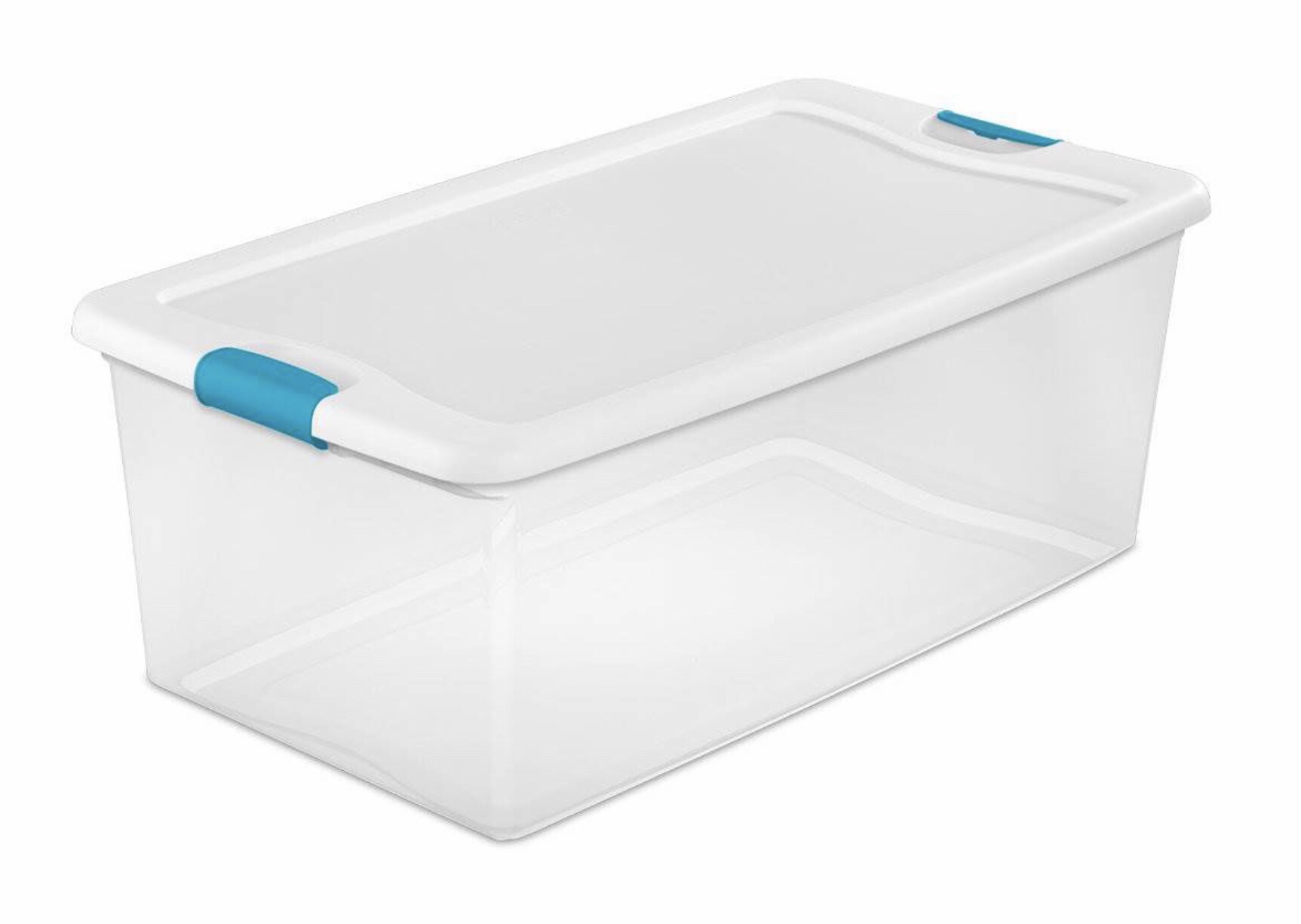
YOU NEED A STICK BAG. PERIOD. This will protect your implements from damage when not being used, as well ensure everything you need is in one place. Many styles are available, from bags that hold a few pairs to massive bags that will hold dozens of pairs with accessory pockets for drum keys, mutes, tablets, practice pads, and anything else you might need handy.
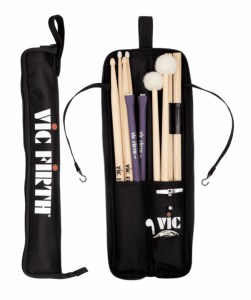
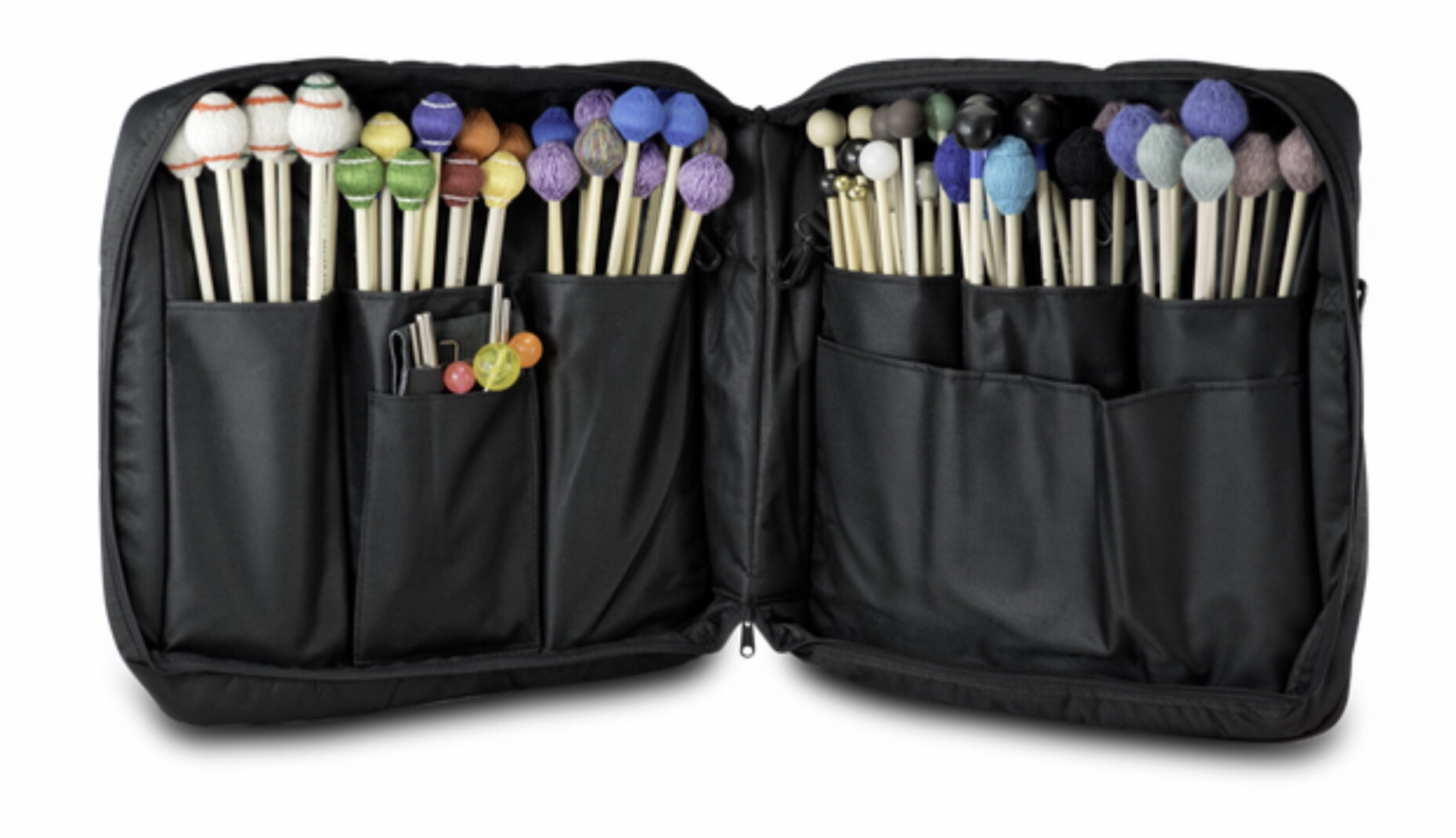
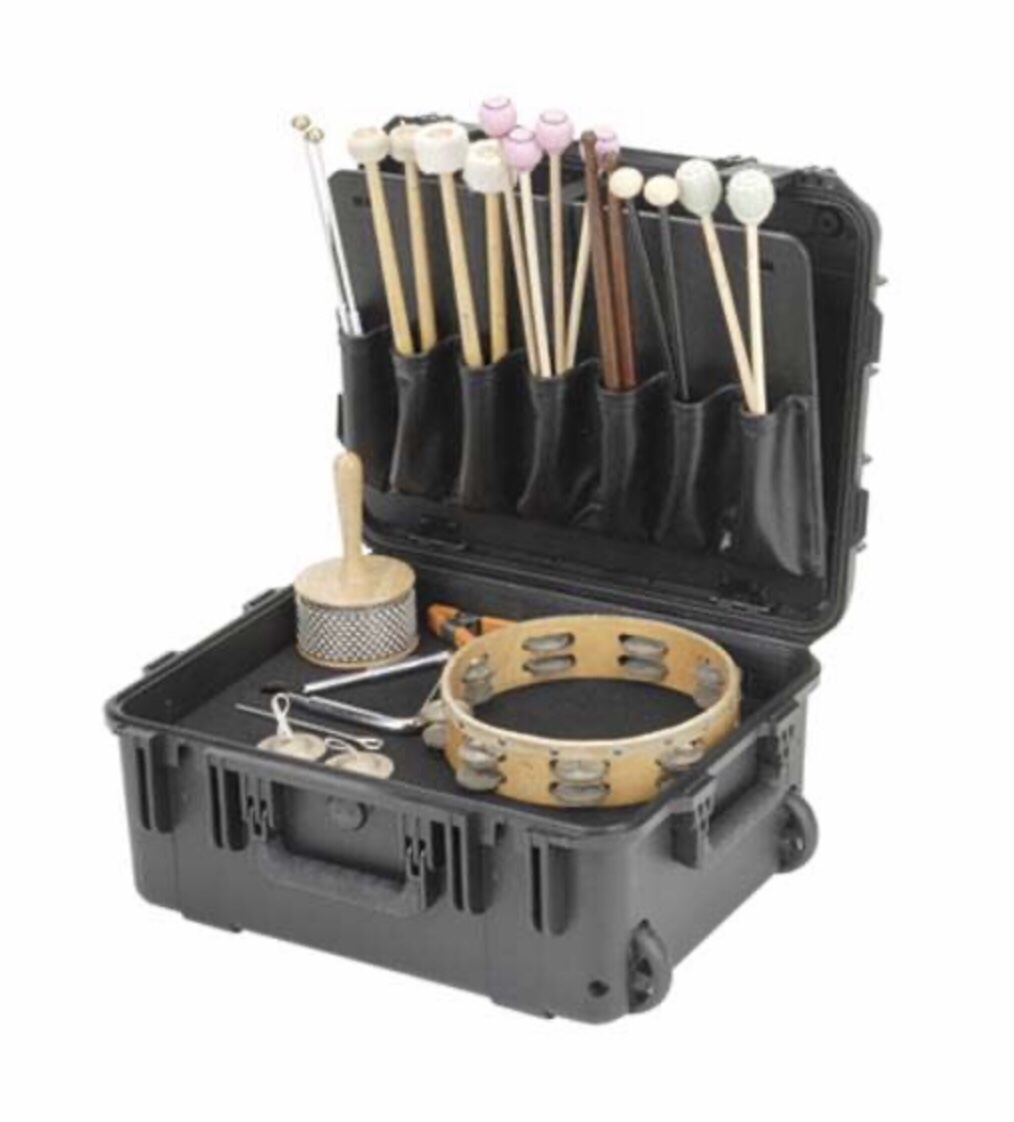
I have seen schools use totes or cases to hold mallets and smaller hand-held percussion instruments. This works great. There are even versions specifically designed for percussionists in mind. However, I would advise you to keep sticks and mallets stored in separate containers from any instruments in order to protect both your implements and instruments.
Concert snare drum
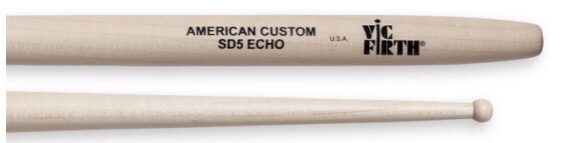
Owning a decent concert drum stick should be a basic requirement. They’re inexpensive, and easy to find. Most beginning percussionists will start with a percussion kit containing a set of bells and a drum pad. These kits come with a pair of sticks and bell mallets. The quality is not always the best in these kits. Some sticks are not matched by weight or pitch (as quality sticks are), which cannot be remedied, beyond replacement. Some manufactures do use high quality sticks and mallets.
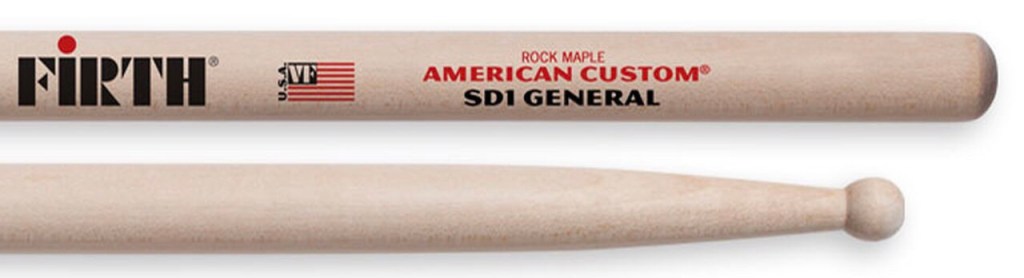
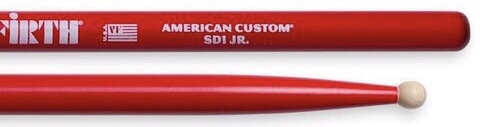
The Vic Firth SD1 General is by far the most popular concert stick, yet many variations from other manufacturers (Promark, Innovative Percussion, Vater, and others) are available and work just fine. I have personally come to the conclusion that this stick, while a good standard concert stick, is not always the best stick for smaller hands. I have watched smaller students struggle trying controlling it’s length and diameter. Vic Firth does make a scaled down version, called the SD1 Junior, which is a great stick, despite the bright red paint found on them. Another good option is a 5B stick, available from every manufacturer, as are other smaller concert sticks.
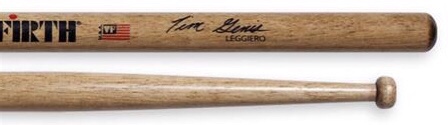
Advancing players may want to supplement their collection with other models for different timbres and tones. Different materials, stick and tip shapes, and sizes will feel and sound different. This is fun to experiment, but can take a lifetime to find those perfect sticks. Keep in mind, personal preferences and needs can change or expand over time.
Please note, marching drum sticks are not appropriate for concert drum use. They are too heavy and will damage the thinner concert drum heads. Do not allow your high school students to transition to concert band with them.

Concert toms
Standard drum sticks will be your most obvious choice. However, different sizes will give you different timbres, as will various mallets including timpani, yarn, cord, or rubber mallets. The choice will come down to the sound and articulation required or that you desire, as well as what rhythms you are playing, including rolls. Again, no marching sticks.
Drum set
Anything goes. The classic 5A is, hands down, the most popular stick size for drum set playing. This model, which varies slightly from brand to brand, is perfect for beginners playing any style of music. One might think since this covers so many styles of music, that it will work as a general purpose stick. It does not work well for beginners playing concert drums due to the lack of mass to easily articulate grace notes and rolls. With the huge variety of signature sticks and special designs on the market, students have many options. When I doubt, I always recommend starting with the classic sizes; 7A, 5A, 5B, 2B; thin to thick, respectively. Wood or nylon tip is purely personal preference for beginners. As we advance and learn about the sound we are producing, that can change. Nylon tips are more durable than wood and will sound noticeably brighter, while wood tips sound more mellow.
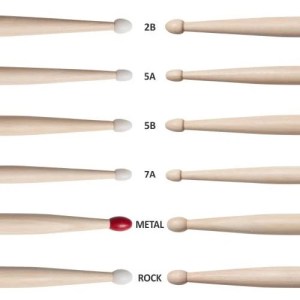
Advanced players may also use different models, and there is no reason we shouldn’t do so; I personally use 5 models, all variations of the standard 5A. The same advantages I listed for concert sticks apply here. For concert playing, I usually select between 2 models, but own at least 7 and still want to expand that. For young players, there is also the pride of finding that special stick for oneself that makes you feel like you have your own signature stick.
Keyboard Mallets
Different instruments require different types of mallets; there is no single, all purpose mallet.
In general, you have 3 types of handles available, which change the feel, response, and subsequently the tone of the instruments they are used on. Professionally, it comes down to personal choice as to which you prefer.
Birch (or other wood types) is the cheapest and stiffest of the options. I recommend this handle for beginners, as there is no flexing of the mallets, allowing younger players a more consistent feel and motion from mallet to mallet. This helps students develop a solid technique. In addition, due to the grip and technique used for advanced playing, these are the primary choice for marimba.
Rattan is a natural material closely related to the palm tree. This handle allows for some flexibility, while maintaining strength. Rattan is the most expensive handle type and can warp over time if not taken care of. Diameter varies widely between brands, models, and even between pairs of the same mallet. Since my younger days, consistency within a model has improved immensely. Traditionally, vibraphonists have used rattan specifically for its flexibility and feel.
Synthetics round out the selection and are commonly made from fiberglass or different types of plastic. In general, these mallet handles fit in between birch and rattan, offering some flexibility, while maintaining a lower price. While some manufacturers have recently stopped using this handle choice, there are still some models available. These used to be the norm for educational mallets.
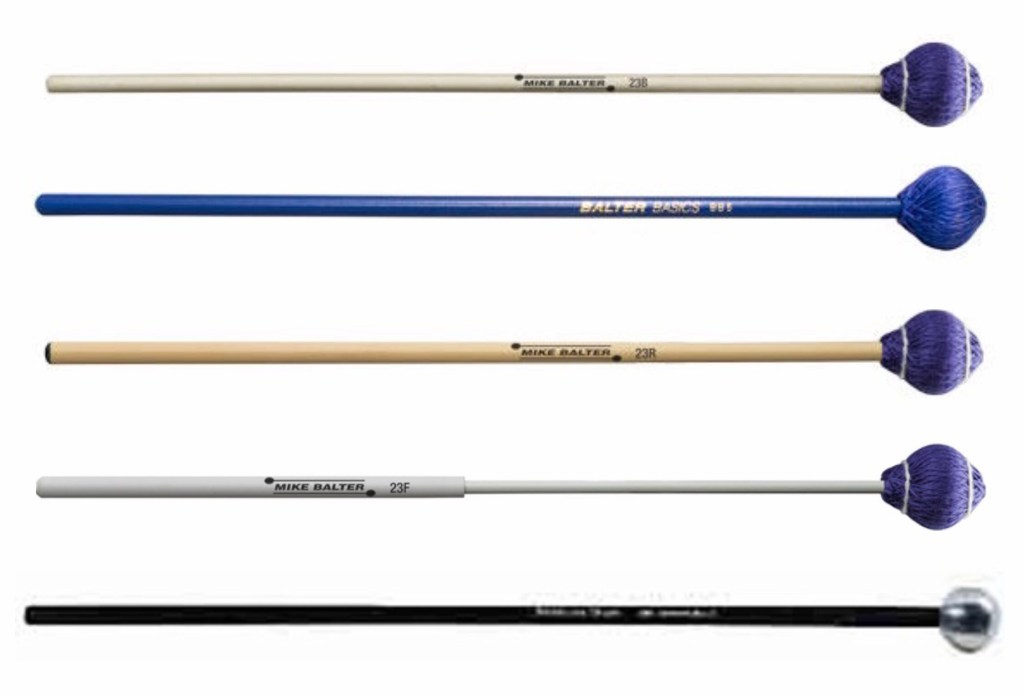
Again, whichever handle type you select comes down to personal choice. As beginning players grow and develop their technique, I feel comfortable encouraging them to branch out and try the various options to find what best suits their playing style.
As for what types of mallets and how many one should have, many factors should be considered. Depending on your budget and goals, I’ve been recommending the following guidelines for collections:
If you plan to have just 1 mallet for each type of instrument, look for a medium pair for each instrument. There are some crossover mallets that work for multiple instruments. For 2 mallets, start with a medium hard and add a medium soft. Skipping a hardness allows for a more noticeable difference in articulations. For 3 mallets, soft, medium, and hard should suffice for a basic set.
An important side note… DO NOT USE A MALLET THAT IS HARDER THAN THE INSTRUMENT YOU ARE PLAYING!
Also remember, the music you are performing should be the ultimate measure for what mallets you will need. The sound is more important than any particular brand or color. Just because a great artist has their name on a model, doesn’t mean you will sound like that artist. They designed the mallets with certain attributes in mind for themselves and their ensembles.
Bells or Glockenspiel
The beginning percussion kits mentioned above all come with a type of bell mallet. Again, quality varies; rough sanded handles, poor plastic heads (balls) that shatter the first time they hit the floor, and heads that aren’t properly glued to the handles (a little extra super glue or epoxy will work wonders). The most common material for bell mallets is a hard plastic. There are many versions of hard plastic mallets available (phenolic, lexan, pvc, nylon, etc.), which will work fine, and allow for various timbres on the same instrument.

Some kits offer an inexpensive double sided mallet (hard & soft), which I have no care for. They are cheap and sound and feel awful. Professionals have made their own versions for specific purposes, but are generally not commercially available.

Another side note… there are many variations of this instrument with some sounding better than others. The student bells kits do not sound anywhere near the quality of their upgraded versions. So, the sound from your mallet on these kits will sound different than on better quality instruments, as is the case for almost every instrument.
A poly mallet is softer and offers less attack. Rubber mallets are similar offer even more options with different hardnesses. Both types of these mallets can be used on multiple instruments.

Metal mallets are also available, made from brass or aluminum. These are the brightest sounding models and are not appropriate for student bells kits or instruments with aluminum bars. I use these very sparingly, as they are loud and bright. These used to be the norm for schools.

Xylophone
The hard plastic mallets mentioned above will work on xylophone, but they will be a very bright sound. For a primary mallet I recommend a softer plastic. Poly is a common version of this mallet and is considered a medium-hard mallet by some. This mallet doesn’t have the extreme brightness of the phenolic, and is safer for wooden xylophones, whose bars can chip or crack with harder mallets. This mallet also produces a softer sound on bells, and work for both the student kits and high end glockenspiels. This is my go-to mallet of choice, and it works great for younger players and teachers’ ears. The different registers on the xylophone will reposed and sound different with different hardnesses. For example, as soft plastic will not respond on the highest notes on a xylophone, whereas a hard mallet may be too shrill on the lowest bars (and potentially crack the bars).
There are many different types of plastics available with names you likely have never heard of, in various hardnesses, which again give a player options for articulations and timbres. Wood mallets are available, which I caution against selecting for younger players. The chance of breaking these mallets is higher with inexperienced players, and even with advanced players, so I’d avoid them just in case. Only use them on wood instruments.

Rubber mallets are available in hardnesses from soft to hard and are perfectly appropriate, depending on the sound you or your player wants.
Professional players’ collections vary greatly. Different materials, handles, and even weighted cores give us so many options for sound and feel. I recommend having at least three different hardnesses to cover most needs. Different instruments and different performing venues will sound different. Mallet selection allows us to adjust and fine tune our overall sound.
Marimba
The wood (rosewood and padauk ) versions of this instrument uses a softer version of the wood used for xylophones, and thus requires a softer mallet. Yarn is the most popular material for wood and synthetic marimbas with hardnesses ranging from extra-soft to extra hard. On a wood marimba, I recommend a medium yarn mallet. This will cover the entire instrument range with single mallet fairly well.
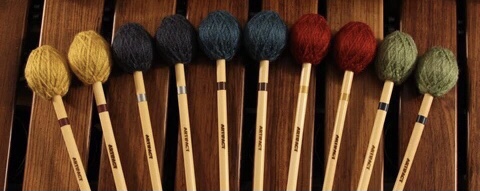
Synthetic materials allow for better durability of the instrument, and is highly recommended when going outdoors, or being accidentally abused by students. These bars will sound brighter than their wood counterparts and mallets that sound good on a wood marimba will likely sound different on a synthetic. Having different mallets as a player grows will help when playing between various instruments, even of the same material.
When expanding the mallet collection, I would choose a set 1 or 2 steps softer or harder than your current mallet, followed by a the opposite hardness. A player should eventually begin developing 4 mallet technique. It is recommended to purchase 2 pairs of mallets together. This will guarantee all 4 mallets have the same hardness, as mallets will lose their tone and hardness over time.
Softer and harder mallets from here will generally be restricted to the lower and higher register, respectively. Using different hardness can allow for beginner players to share an instrument and have a good tone in both registers. In general, medium soft, medium, and medium hard mallets will cover a player for most ensemble literature. Softer mallets will help when working with long legato rolls or resonant low notes, while harder mallets will aid with better articulation and cutting through when soloing.
Mallets will vary by length of handle and weight of the mallet head. Remember, more mass in the head equals more volume potential, and takes less motion to get the same volume. Consequently, heavier mallets require more strength and control. This is one reason why I recommend starting with “standard” models from a manufacturer. Mallets designed for marching programs had heavier cores in order to produce a louder tone.
Another reason I prefer the standard models is many mallet series use the same yarn color and are only differentiated by the number printed on the mallet. My preference is for different colors of yarn to differentiate the different hardnesses from others. Some manufacturers will use the same color of yarn but will use colored tape under the head, or have a colored stitching on the mallet head to tell hardnesses apart. Personally, it helps when I need to quickly pick up a different set from my mallet bag. In a concert situation, you should have your mallets already planned out.
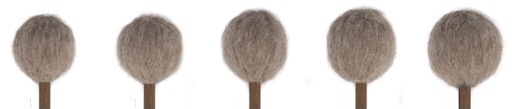

Advanced players will appreciate the variety available, including different core materials and types of yarn used. They all sound and feel different. Mixing mallet hardnesses for four (or more) mallet technique is acceptable. Again use your personal preference and experiment.
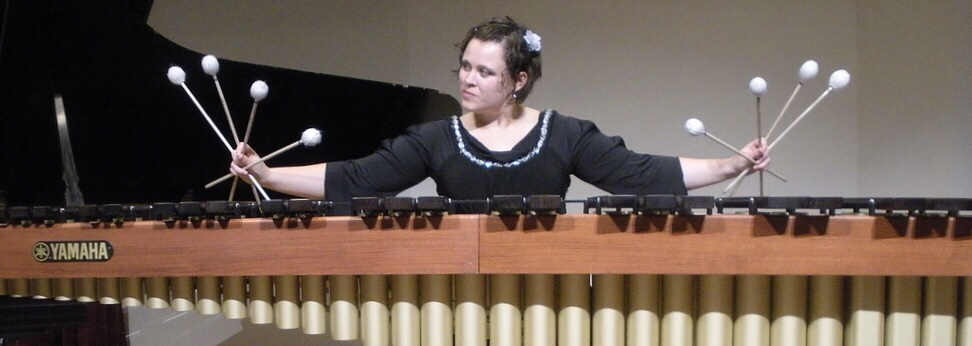
Vibraphone
This instrument, while made of metal (aluminum), also needs a softer material. Cord, a thinner version of yarn, has been the traditional material for vibes. Cord is slightly harder than it’s yarn counterparts, while helps with producing a good tone from the instrument. Again, I recommend medium mallets for the same reasons as I explained with yarn. Extra soft and extra hard mallets are seldom used, as they will either have little articulation or be extremely bright and harsh.

Rubber
Another mallet, with many uses, is rubber. This material will be used on instruments from wood and temple blocks to xylophone and marimba, and even drums and cymbals. The medium hard and hard versions also work well for bells for a softer sound. They also make great practice mallets for most keyboards. Again, medium is an excellent starting point.

Heads will vary in shape and diameter, some with weighted cores to aid in projection. Again, the heavier the mallet, the greater potential for increased volume.

As for additional mallets, it isn’t as cut and dry as this material has many uses. Again, choices will depend on needs of the player, and more importantly, the literature you are playing.
Timpani
Ranging from 2-5 drums, these instruments generally require specialized felt-headed mallets, although there are some mallets with other materials, such as wood, leather, and hard felt. The mallets also require special care, as the felt can pull apart easily. It is recommended NOT to touch the mallet heads with your hands and keep them protected from other surfaces and just laying around in general. Some manufactures have recommended storing your mallets inside the plastic bags they come in. It is a little extra work, but it does protect them. I have been doing this myself for a number of years.
Handles have been made from various woods, bamboo, and even carbon fiber.
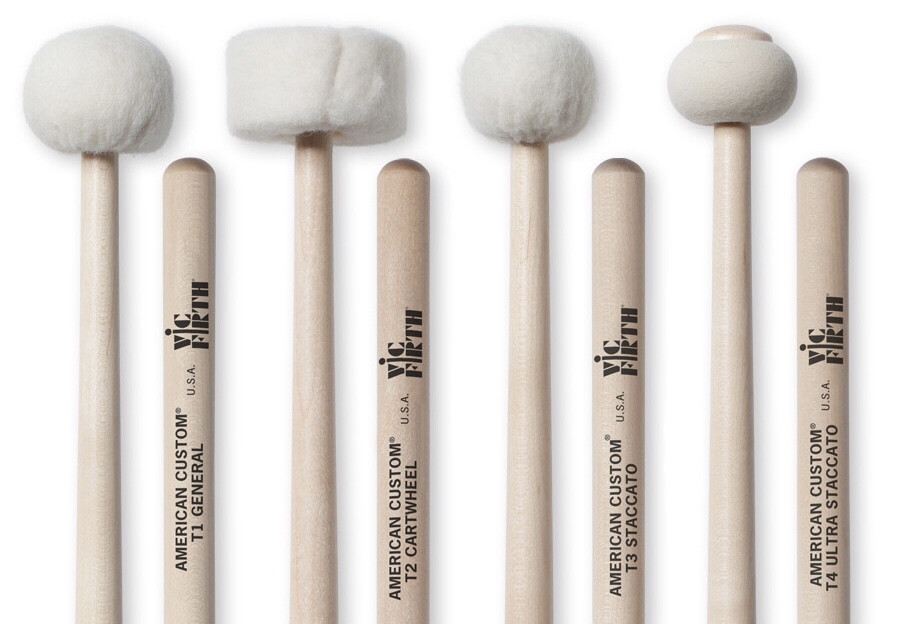
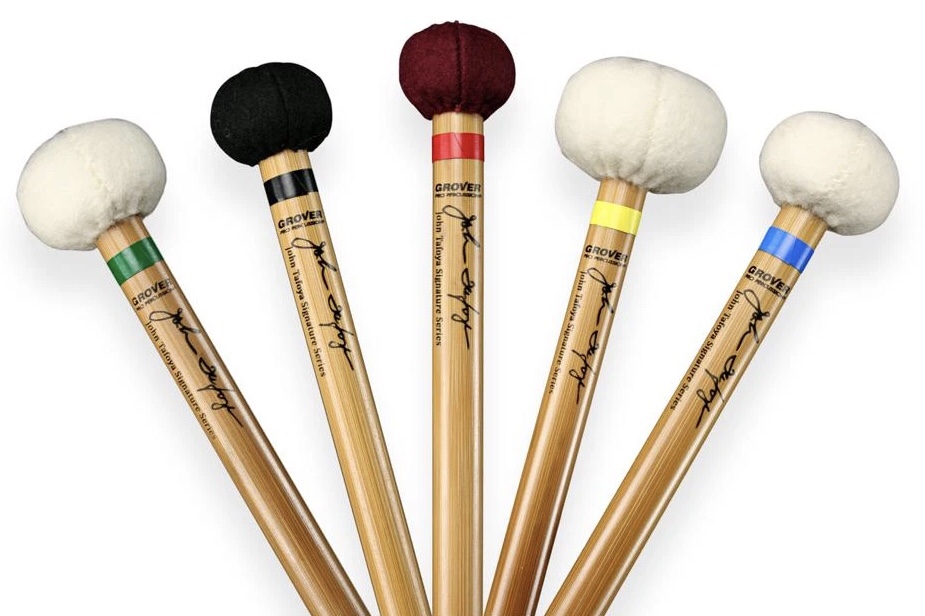
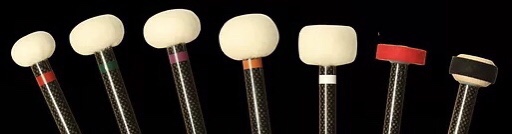
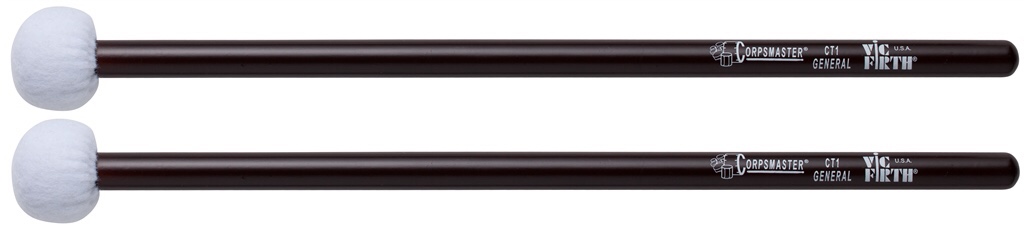
There are generally two design of felt-headed mallets; parachute and cartwheel. The parachute style is more common for mass produced mallets and looks like a small felt ball wrapped around the end of the mallet and tied where the mallet meets the handle. Cartwheel mallets, as the name implies, looks like a wheel. These mallets are more difficult to play for beginners, as there is always a seam stitched on one side. This seam creates a harder surface and can interfere with a consistent, quality tone. Some players will use a marker to identify this seam, so as to aid in avoiding that surface. Parachute wrapped heads avoid this issue, and thus I recommend this style for younger players. As with other mallets, I recommend starting with a medium or general mallet. Vic Firth’s Corpsmaster series of mallets incorporate synthetic felt heads. While the handles are larger, I have been recommending these for younger programs, budget minded programs, and schools that do not take care of their equipment. Any other synthetic headed timpani mallets would work as well, but are not common.
Chimes
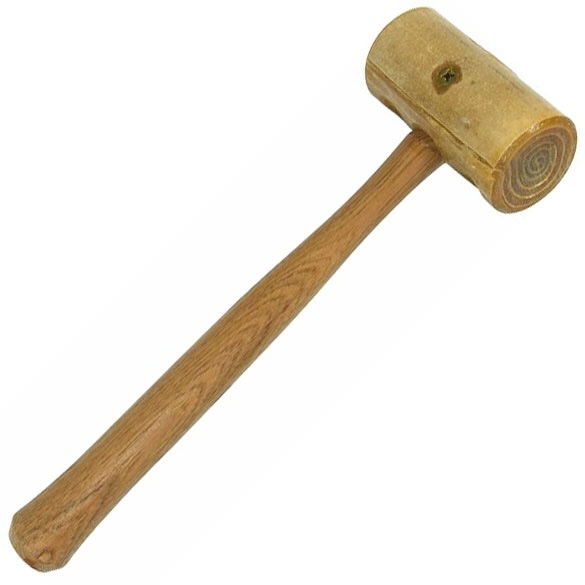
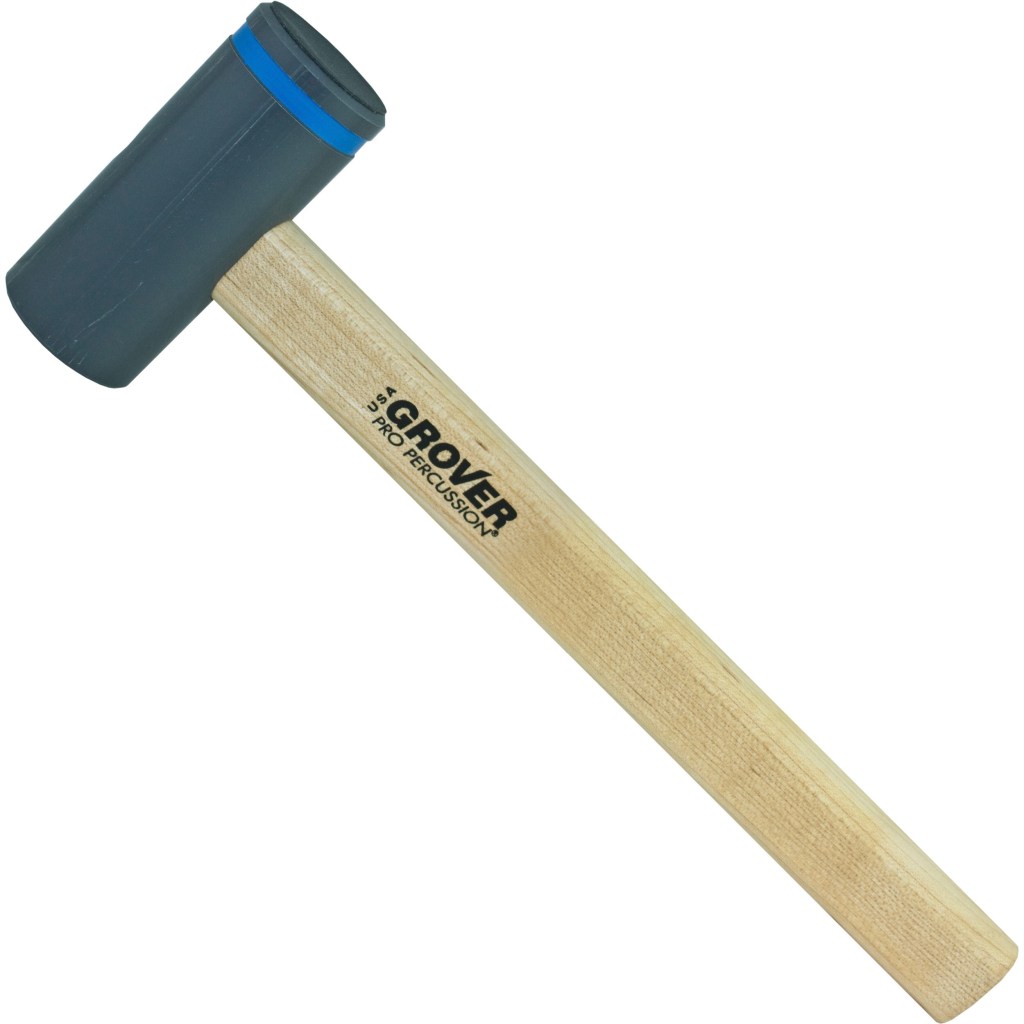
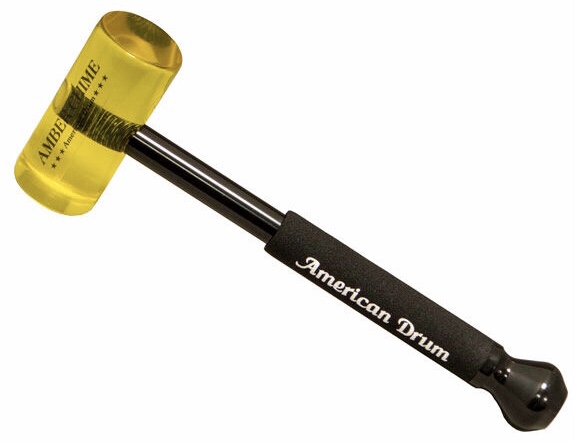
Chime mallets, beaters, or hammers, are not common implements owned by students in a school setting. The most common and popular are rawhide mallets. The majority of other models are variations of plastic, some with a soft and hard side. I recommend purchasing these in pairs, as the need may arise in which you need to play fast passages or double stops (2 notes played simultaneously).
Brushes
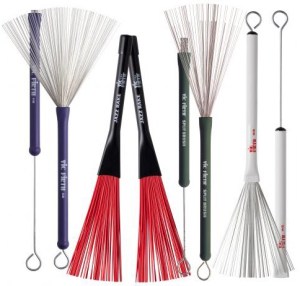
Concert band and orchestral literature does not often call for brushes; jazz drum set uses them more often and the technique is not as simple as striking the drum with the wires of a brush (but is perfectly acceptable if that is the sound you’re going for). However, there are some works that do ask for them, so having a pair on hand is recommended. Whether students have their own is a decision educators need to make. If you are playing drum set, you really need to have a pair and learn how to use them. Brushes are simple strands of wire attached to a handle. These wires are commonly retractable, allowing for protection when not in use, or adjusting for different articulations. There are fixed versions available as well as plastic and all with different gauges, or thicknesses. Again, they all offer different sounds. Handles vary from rubber-coated metal, plastic, or wood.
Students, these are not for brushing hair or other goofy behavior. The wires can bend easily, which causes problems for using them for their intended purpose.
Bass drum
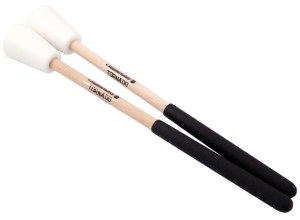
This mallet should be provided by a school of your performing ensemble. These mallets resemble their timpani mallet cousins with their felt heads, with some specialized exceptions. They have larger heads and handles and are usually sold as a single mallet. Depending on the head design, there may be a seam to avoid while playing, just like timpani mallets. As before, I recommend marking the seam with a marker. There are some makers (Ludwig/Payson) that make their mallets with synthetic fur. I highly recommend them for the same reasons as I noted with timpani mallets. There are harder mallets made with leather, chamois, or even straight wood. These are very specialized mallets and really are needed if specified by a piece.
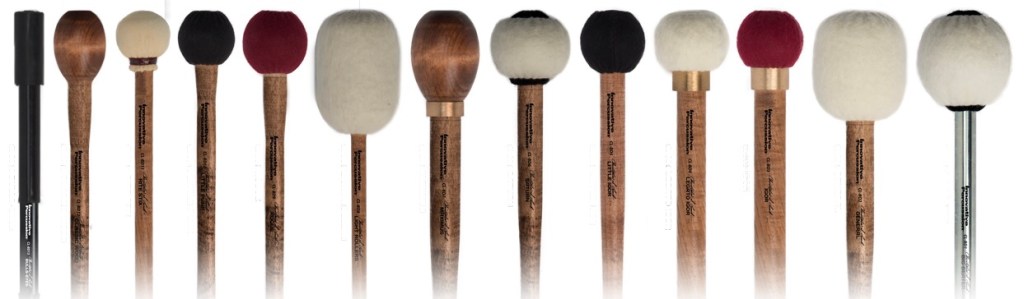
My basic recommendation is for 1 medium or general purpose mallet and 1 pair of rollers. Rolling pairs are designed for exactly what their name implies… rolls; they also work well for faster articulate passages and smaller hands. There are many models designed for different articulations and purposes. These differences are very noticeable on a quality, and well tuned, bass drum. Investing in a few different options is wise, especially for advanced groups and those playing a variety of literature styles.
Another option, not commonly used any more, is a double sided mallet. This mallet will have 2 matching mallet heads (or differing head for specialized purposes) on each side of the mallet and is rotated with one hand to perform one handed rolls on a bass drum. Again, using 2 mallets to roll is common, but this mallet with two heads, gives you a second mallet if all you ever use it for is single notes. It is unwieldy for younger players and requires practice to master consistent rolls.

Marching bass drum mallets are not appropriate for concert use, unless a piece calls for an extra hard mallet. Even so, use with caution. Marching sticks and mallets are designed for marching instruments, not the concert hall.
Suspended cymbal
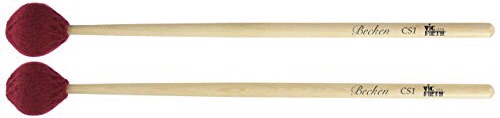
I’ll be honest with you; suspended cymbal mallets are simply fancier yarn mallets. Yes, they are specifically designed to be used for suspended cymbals, but in a pinch or for the budget minded person, yarn marimba mallets will suffice. These mallets are usually found in soft or hard options. Soft mallets allow for lush rolls, with little articulation. Hard mallets are used for passages that require articulation, but without the sharp attack found with sticks.

Triangle
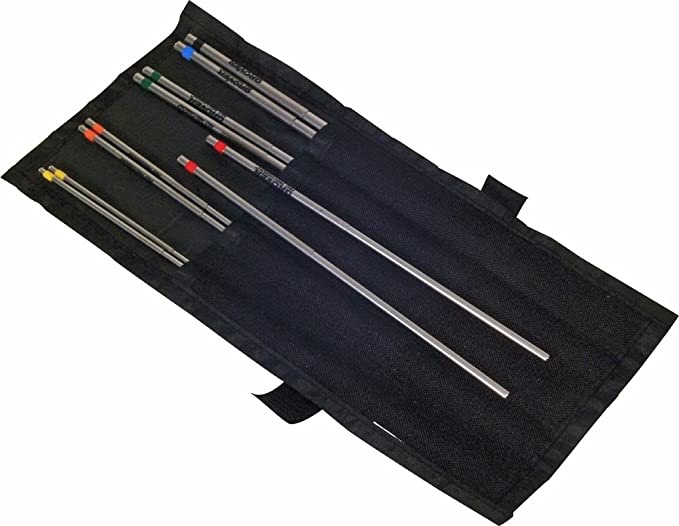
While these don’t resemble sticks or mallets used for other instruments, these are an important part of any collection. While having a single triangle beater is a necessity, having multiple sizes will aid in achieving better dynamics and articulations within an ensemble or piece. There are various options available, from simple straight metal rods to different shaped and sized tips made from different materials. They are all balanced differently and produce different overtones from good quality instruments. These beaters can also be used on other instruments, such as cymbal scrapes, mark trees (wind or bar chimes), other metallic percussion instruments or sound effects. These are easily lost, so be sure to have a place to store them when not in use. Some manufacturers make cases fir them, which is worth the investment if you use it. I would expect this to be a school purchase, unless you plan to play in adulthood and have your own instrument.
Bell Tree
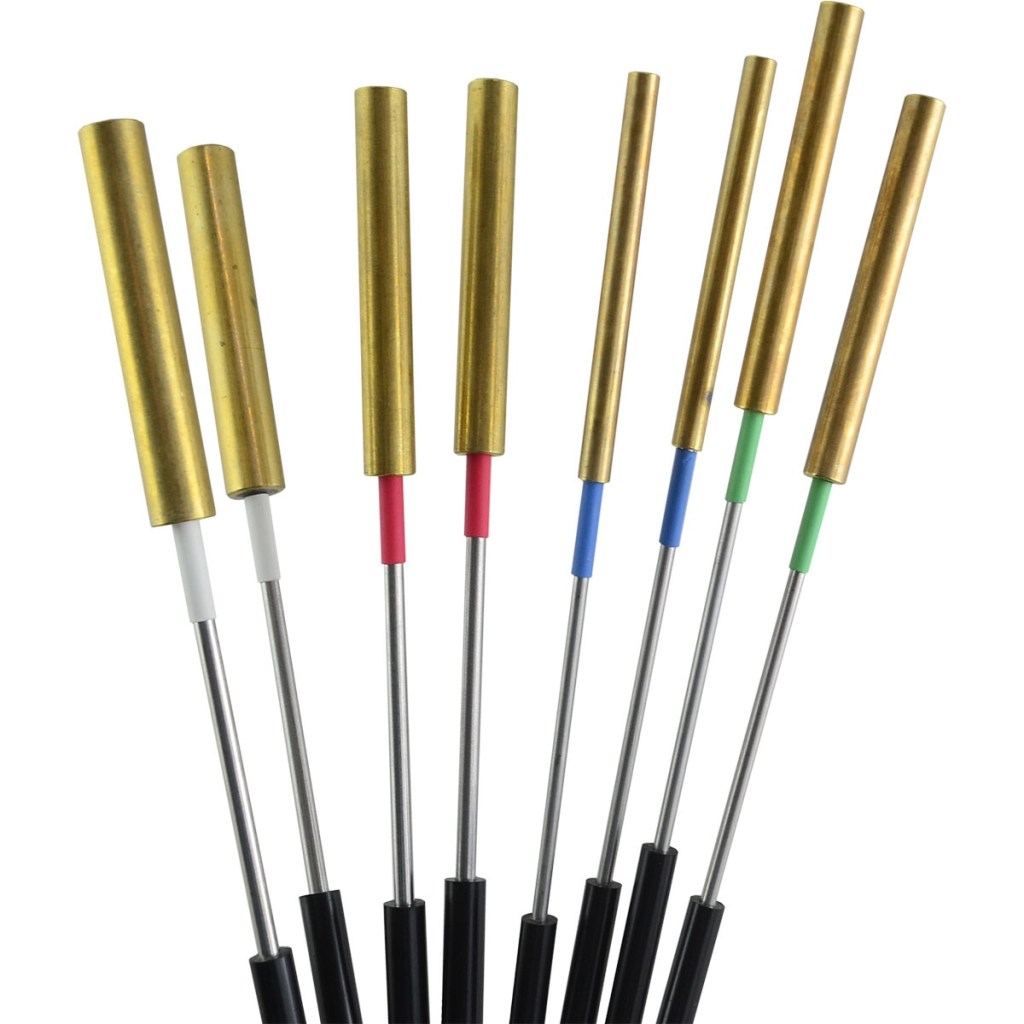
This unique instrument produces a wonderful glissando with the use of a hard plastic or brass mallet or a triangle beater. The larger the implement, the louder the sound potential is. Experiment with different mallets and see how the tone changes.
Expanding your collection
Once you have a basic set of mallets, the next step (besides actually using them and becoming a better musician) is to expand your collection. When you are ready for this step, focus on the mallets you actually will be using. It doesn’t make sense to buy a full set of marimba mallets (2 pairs of every hardness) if you will only ever use a few. I still have the extra soft bass marimba mallets I bought over 30 years ago. What are your end goals as a percussionist? Are you going to play after high school? College? Community groups? Church? Teaching? Playing professionally? Also, check your literature and method books as to what you are playing and learning. Start to listen to your sound within your ensemble. Is your part a solo or copying another instrument? Does the articulation fit for the piece? Are you sharing a marimba or playing on different registers? Switching between instruments quickly? Will you be using that specialized mallet again? Should your school or ensemble purchase or borrow certain specialized mallets?
Purchasing additional models for your collection is not cheap. Costs add up over time and you’ll need to replace them from time to time. If you don’t expect to have a need for a large collection, select mallets that are 2 steps away from your current models to allow for a drastic difference or choose models next to the ones you currently have for subtle differences. Select models within the same series for a similar feel or different brands or models for something completely different sounding or feeling.
So, you’re probably wondering what are the best mallets and brand to use? There answer is that there are none. I have my personal preferences, as do many others. Are some better than others? Sure. Some are designed to minimize cost, some to produce certain tones, some are weighted, some to be more durable. They’re all different and have their advantages and disadvantages. Ask others for suggestions; fellow students, teachers, professionals, music stores, and even manufacturers. Feel free to reach out to me for my suggestions on the various options and my personal preferences.
Hacks and Tips
In case you missed it at the beginning, NEVER USE A MALLET THAT IS HARDER THAN THE INSTRUMENT YOU ARE PLAYING!!!
Mark your mallets so you can easily identify them. You don’t want to lose your investment. This can be as simple as using a sharpie with your initials, coloring the shafts, adding tape, or something else decorative. Put your name on your stick bags! The same goes for school owned items that may take to festivals or other performances away from home.
Yarn and cord mallets can be used interchangeably; they are slightly different versions of the same thing. If money, space or logistics don’t allow for purchasing or using both, then use one. It may not be as good as the proper mallet, but they’ll work for in a pinch.
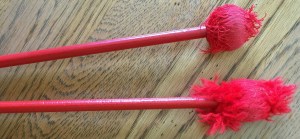
When yarn and cord mallets wear out (you’ll be able to tell by the fraying strings showing), often you can use the mallet core underneath on other instruments. Most use rubber cores and depending on how they were constructed, can be used as a mallet.
I have had a few teachers use old nylons wrapped around the heads of felt timpani and bass drum mallets. I don’t personally like that, as it can change the articulation of the mallet, but it will protect the mallet from accidentally (or purposely) falling apart.
Worn out timpani mallets may potentially be reused as harder timpani mallets when the felt is worn through, again depending on the mallet design. Depending on the manufacturer, recover kits are available, saving some money over purchasing brand new mallets.

If you travel for concerts, bring your own sticks and mallets. It’s tough enough performing on instruments you aren’t familiar with; don’t add to the confusion with changing everything up. Try and keep some items familiar, so adjustments are minimized.
If you prefer certain models or brands for your students, ask your local music store to carry them. Let them know if allow substitutions. Don’t recommend specialized models found at only a single online company. That’s rude to the local music stores trying to support your program and community. Just don’t do it. Those online companies are not going to be there for you in a pinch.
Personal recommendations:
I do not professionally endorse any companies, but I have my own personal likes and recommendations for others. Please understand these are my personal recommendations; others may have other preferences. There are few wrong answers. I have chosen my personal collection based on price (some items were free – you can’t beat that), personal use and experimentation, recommendations from others, and interactions with artist and manufacturers. Ultimately, the sound and performance characteristics are the most important attributes that make up my primary go-to mallets. If you have any questions, just ask… that’s why I’m here.
Credits
Vic Firth & Mike Balter (vicfirth.com))
Innovative Percussion (innovativepercussion.com)
Promark (promark.com)
Zildjian (zildjian.com)
Sabian (sabian.com)
Yamaha (usa.Yamaha.com)
Grover Pro Percussion (groverpro.com)
Steve Weiss Music (steveweissmusic.com)
Modern Drummer (moderndrummer.com)
New Music USA (nmbx.newmusicusa.org)
Jeffrey Irving (JeffreyIrving.com)
William James (WilliamJamesPercussion.com)
 Grand River Percussion Solutions “the Stream”