As we move back to face-to-face instruction for schools, teachers will need to get caught up with all the things they’ve missed since last spring such as planning for concerts, classroom organization, and cleaning, cleaning, cleaning. One important item that will sneak up on you is recruiting for your beginning programs, whether you do it in the spring or fall or both.
Most of us will obviously work with new COVID guidelines that will make this process more challenging. These guidelines will likely change over time and hopefully return to the good ‘ol days with more hands on methods. Traditional fittings with students blowing through instruments will likely be out for the time being. Fortunately, percussion recruiting and fitting/testing/auditions will not necessarily have to change much. For wind and string instruments, I recommend checking with your local school music dealer, your professional music education associations, and colleagues.
So… why do you need to recruit percussionists? Simply put, you need percussionists in your ensembles. Anyone can hit a percussion instrument, but it takes a trained percussionist to know how to get a good sound from the various instruments we have available. Just like your wind and string players, percussionists need to learn their instrument. It’s just we have more of them to learn.
So… what draws students to play percussion?
INSPIRATION
For most, in my experience, it is drum set. It is the most flamboyant and noticeable instrument in the percussion world. It is heard everywhere on popular music (various genres) and easily recognizable on stage. It is my personal instrument of choice as well.
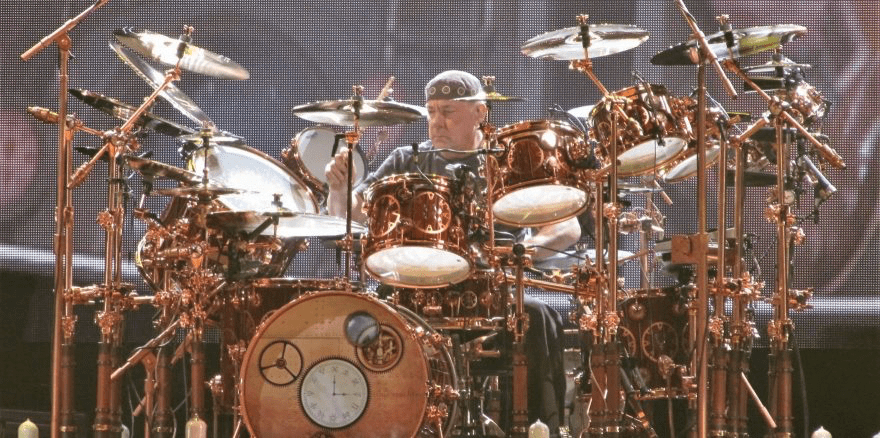
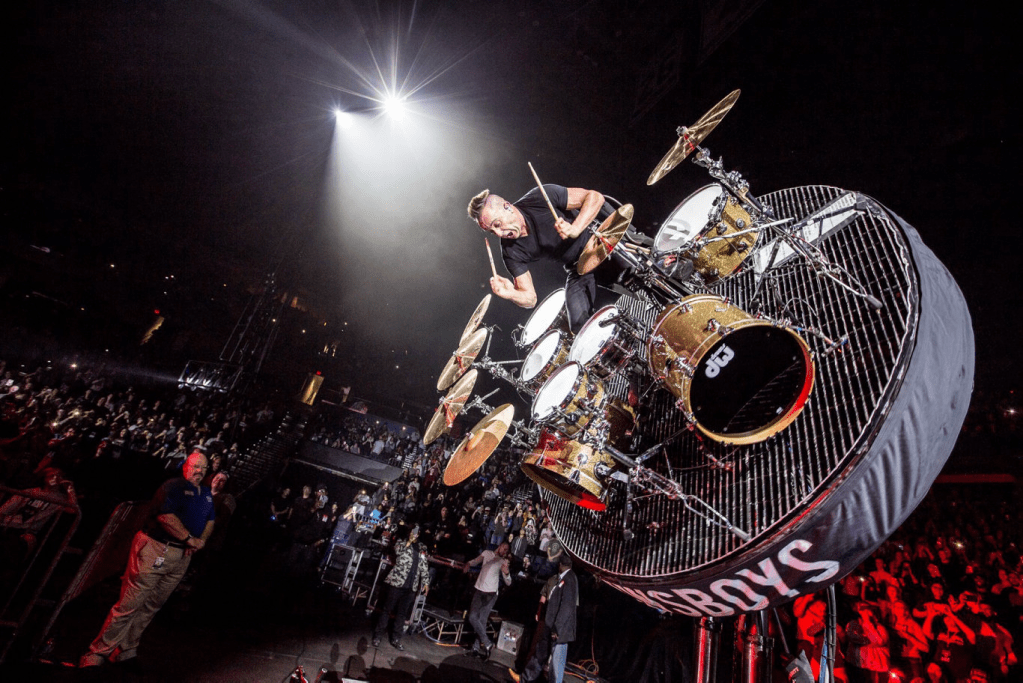
You may have students interested in other percussion instruments or percussionists or performing groups. Much of it may depend on the culture buildup of your communities. In the greater Grand Rapids, MI area, we have a wide variety of music opportunities, for both performers and spectators. We host a professional symphony orchestra, multiple community ensembles, music of many cultures, faiths, and genres across our city; and many of them incorporate percussion. This variety of musical tastes transfers to our schools in the form of orchestras, concert, marching jazz, and rock bands, percussion ensembles, musical theatre, and more.
For me as a 5th grader, I still remember my attraction to the instrument. It all stemmed from a crush on a 6th grade girl who played percussion. I thought if I played percussion, I’d be in band with her. At the time, I didn’t realize I’d have to wait until 7th grade to actually be in junior high band with her. As it turned out, this girl quit band after 6th grade, and my 12 year old dreams weren’t necessarily crushed, because I found I enjoyed it. In a strange twist of fate, playing percussion in college introduced me to the woman who would become my wife. We still play percussion together. True story.
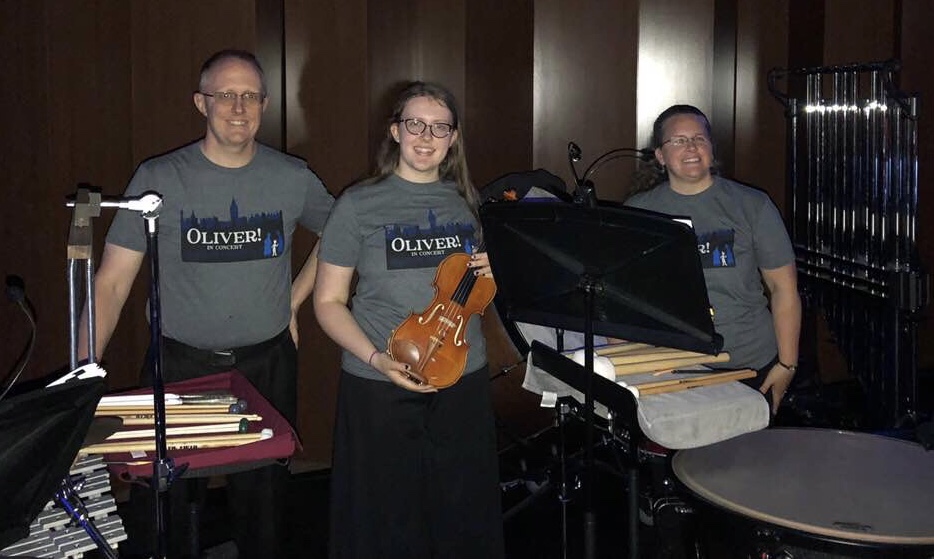
Me, my daughter (oddly enough not a percussionist), and my wife playing together in 2018.
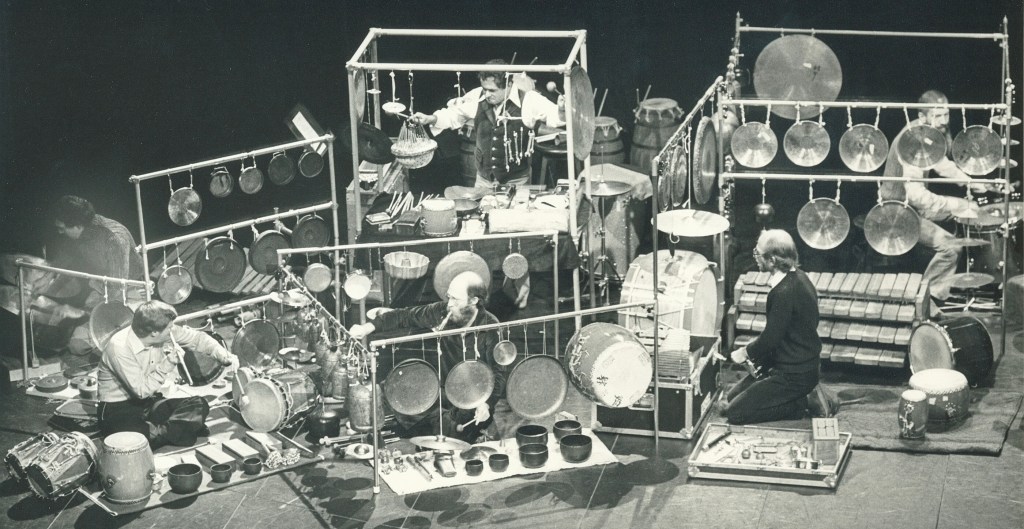
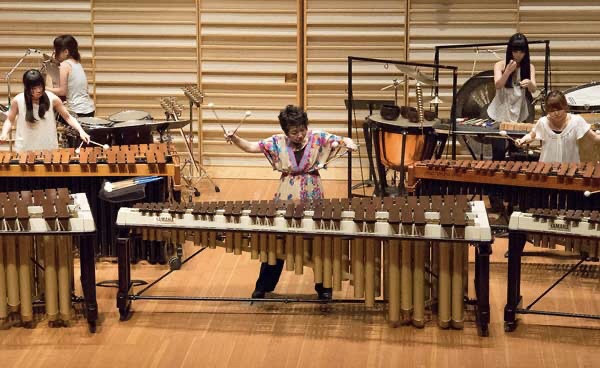
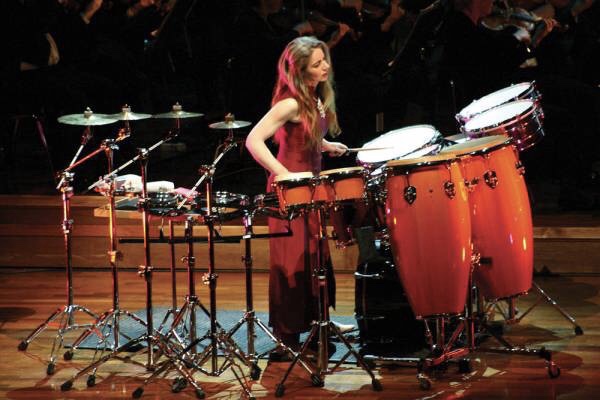
I have friends who chose drums and percussion for different reasons, from attending a professional performance, a teacher recommendation, having a parent who performs or already owns instruments, or simply enjoying the thrill of hitting things loudly, amongst other reasons. We all have our inspirations and our stories, and they’re all valid. You, as an educator, need to guide that inspiration to the next step; selecting an instrument.
Today, we have access to so much information to use for recruiting. Find what works for you and your school and community. I have friends who have used the same system for over a decade and others who change things every year or so. Professional educators have produced so much information on the topic. Inspirational materials are only a click away.
REALITY CHECK
As your drummer wannabes sign up for beginning band, it is of utmost importance for you as a teacher to educate these students as to what percussion actually entails. Students need to understand what the expectations are for percussionists. It is your responsibility to present them in a manner that is both clear and yet encouraging.
- Percussion is not just drum set. How many beginning band method books cover drum set? ZERO. Drum set is usually not taught in a traditional band program. But drum set can be used as a recruiting tool if you have a jazz program, pep band, or incorporate on into a marching band or an indoor or chamber percussion ensemble.
- Students will learn to play the drums; many types in fact. They WILL also learn the keyboards, accessory instruments, hand percussion, sound effects, and many other instruments in the percussion family. Over time, they will have the opportunity to learn and perform on many different instruments as percussionists.
- ALL percussion instruments are important. In my experience, there is an unintentional misconception that snare drum is the pinnacle of all percussion instruments. Every percussion instrument is important. If it wasn’t, composers would not have written for them. This idea needs to be reinforced throughout a student’s career.
- Some of these instruments will be loud. Students with noise sensitivities should be addressed about percussion, as well as all instruments. Parents also need to know that these instruments will be heard throughout your homes. Plan accordingly. Accommodations can be made.
- Some of these instruments may be heavy. Marching drums can weigh as much as 30 pounds, which doesn’t sound like much, but imagine running around a football field in a full uniform or an Independence Day parade for miles on hot asphalt. Heavy, large crash cymbals pairs can be a challenge to control. Don’t forget, someone has to move instruments to performances. It likely won’t be you, the teacher, if you plan accordingly.
- Percussionists are almost always soloists. Some students like being the center of attention, some don’t. However, even if students are introverts, you (sort of) get to hide within a large ensemble. Just don’t draw too much attention to that student who misses that big crash cymbal cue.
- Since each instrument is basically a solo instrument, students may not have the opportunity to perform on the single instrument you want to. Please do your best to allow every student the opportunity to practice as many instruments as they can. Yes, for performances, you will need to have 1 player on a part, but you do not want to lose students by never giving them the chance to learn something new.
- Student will be expected to show up early to and stay after rehearsals and performances, as the instruments generally take longer to set up. They need to understand there is a time and place for socializing, and they need to learn good organizational skills.
- The beginning percussion kit is an awful instrument. A practice pad is not a real drum, hence the word “practice.” Bells can be ear piercingly annoying, and the drums that come with these kits are not the best quality. There really is no better solution to this student instrument (It was a serious discussion when I worked for a well known manufacturer). Parents need to know that their student WILL outgrow this instrument. If your school provides instruments to beginning students, do you have percussion kits available, preferably with all the necessary parts and decent sticks and mallets?
- You may or may not require students to have their own sticks or mallets. Parents will need to know financial expectations now and in the future, as they are the ones who are making the financial commitment for their students. Be prepared how to address families who struggle financially.
- Some programs will need to limit the number of players on an instrument. Percussion sadly falls in this category. If you need to limit the number of percussionists in your beginning program, be sure to communicate this to all interested students and parents in advance. I would recommend that you have students fitted for a wind instrument BEFORE you do any fitting or testing for percussion. I have watched a large group of candidates shrink when a student finds they love the sound and feel of a non-percussion instrument. Psychologically, trying out other instruments after a student is cut from the percussion section and feels like a failure is painful and depressing for all involved.
- If you do not start percussion with your beginning band, yet allow transfers after the first semester or year, keep all the information above in mi d
Recruiting is time consuming, yet essential. It starts and ends with you, whether you do everything yourself or receive the assistance of others. With a little effort and planning, you can develop a system that works for the benefit of your program and eliminates a bit of the stress from your life.
BALANCE
The reasoning for balanced instrumentation is well understood among music educators. One can not simply have a vibrant instrumental music program with only percussion (although the idea of only a district-wide percussion ensemble program intrigues me).
Instrumental music programs never have the luxury of perfect instrumentation. Some schools have a large enough student population that minor variations of instrumentation will not affect them long term. Others are small and just happy they have student interest in playing anything and will make any instrumentation work. Strategies abound to encourage a balanced ensemble. I will not be discussing them here.
In an ideal situation, you have a plan to recruit enough players on all instruments to allow for attrition and for instrumentation expansion with your harmony and background wind instruments. Percussionists differ from this tradition, whereas we continue to play all percussion instruments. However, you need to be aware of future ensemble needs. Marching bands can have multiple players on battery drums. Multiple bass drum lines and front ensembles can incorporate additional players. Percussion ensemble music is written for any number of players.
You need to balance retaining enough players with selecting music that will engage your percussion sections. Ensuring all students all get the opportunity to play the various instruments and learn the necessary concepts and techniques may be a challenge. If you do not handle this properly, you will end up with classroom management issues. I know this from personal experience; you can ask many of my former band teachers and classmates.
What is a balanced percussion section? This number will vary depending on many factors, including the type ensemble, literature needs, and the student population from which to recruit from. Often, one factor will influence the others. As I highlighted earlier, plan your beginning percussionist recruiting to cover on the needs of ALL your ensembles over time, from beginning band to your exclusive advanced award winning performing groups.
ENSEMBLE PERCUSSIONISTS
Most orchestras will have a dedicated timpanist, with 3-4 additional section percussionists.
http://theidiomaticorchestra.net/14-orchestra-size-and-setting/
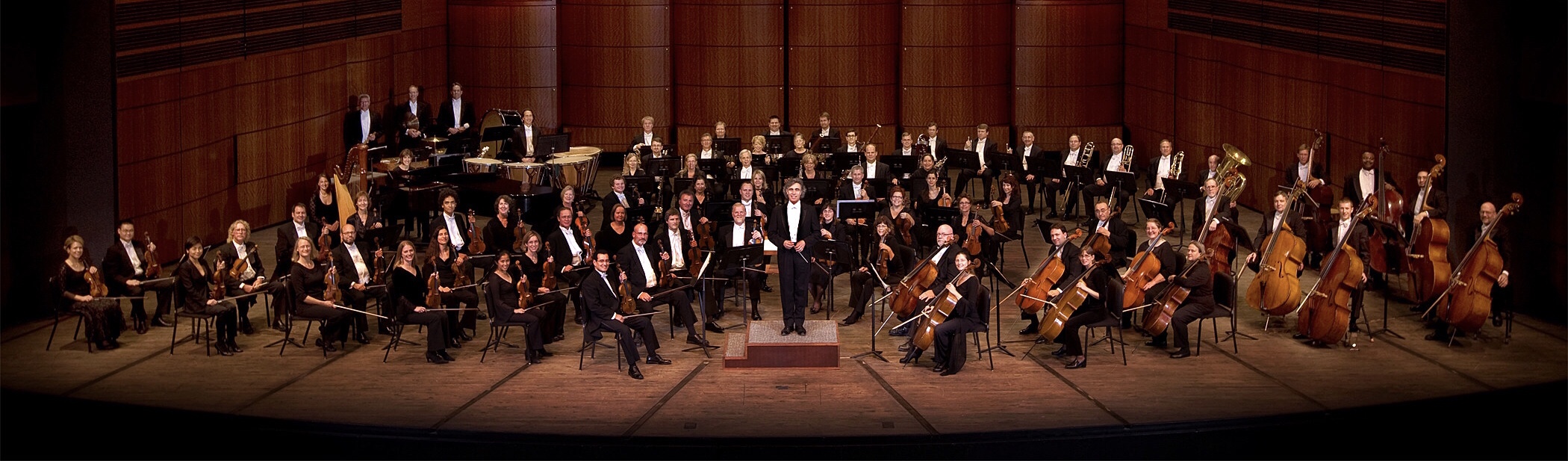
Grand Rapids Symphony
Concert bands will vary from 3-4 for standard classical marches to a dozen or more with modern literature.
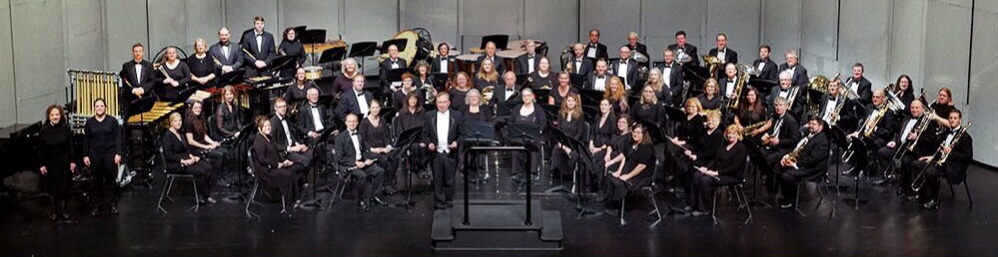
Grand Rapids Symphonic Band
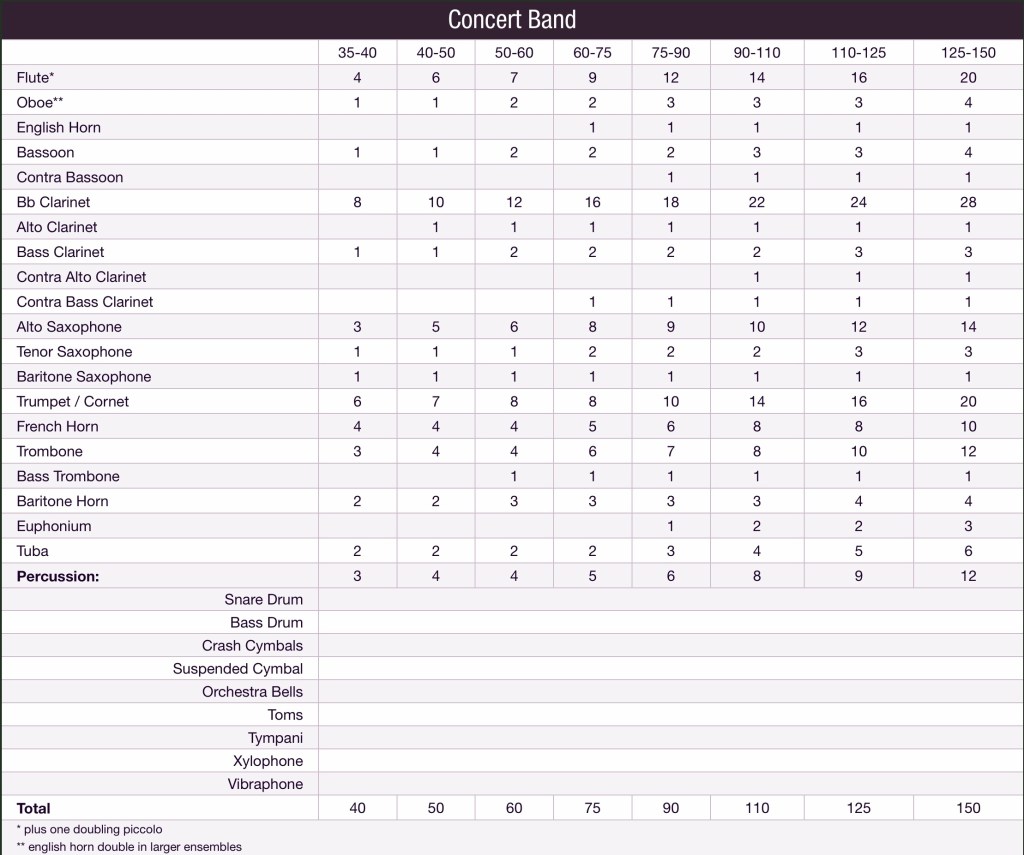
Marching bands and indoor marching percussion ensembles can vary from a basic battery instruments (snare, bass, tenors, and cymbals) to massive battery and front ensembles with every percussion instrument you can imagine.
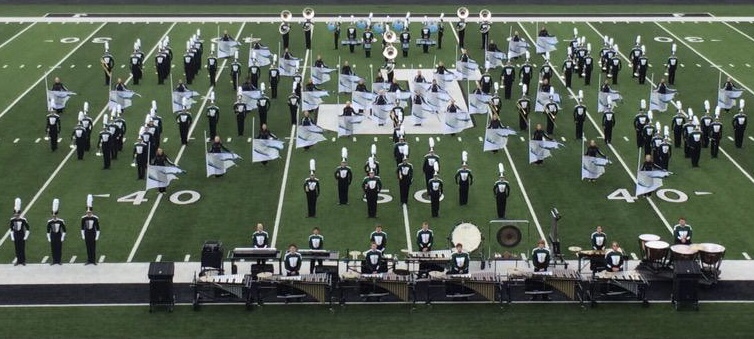
Jenison High School
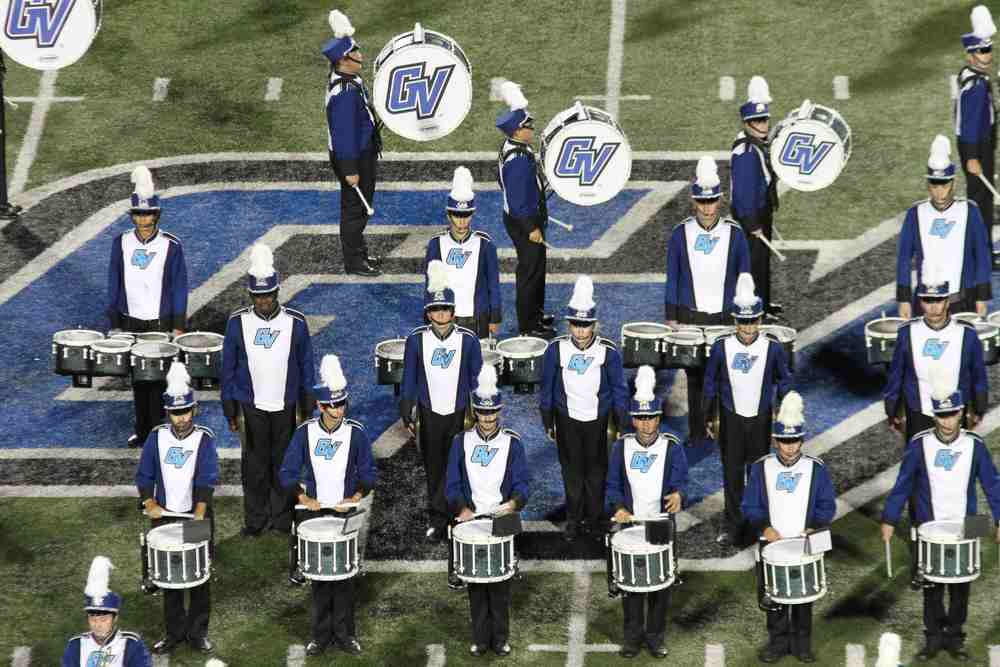
Grand Valley State University
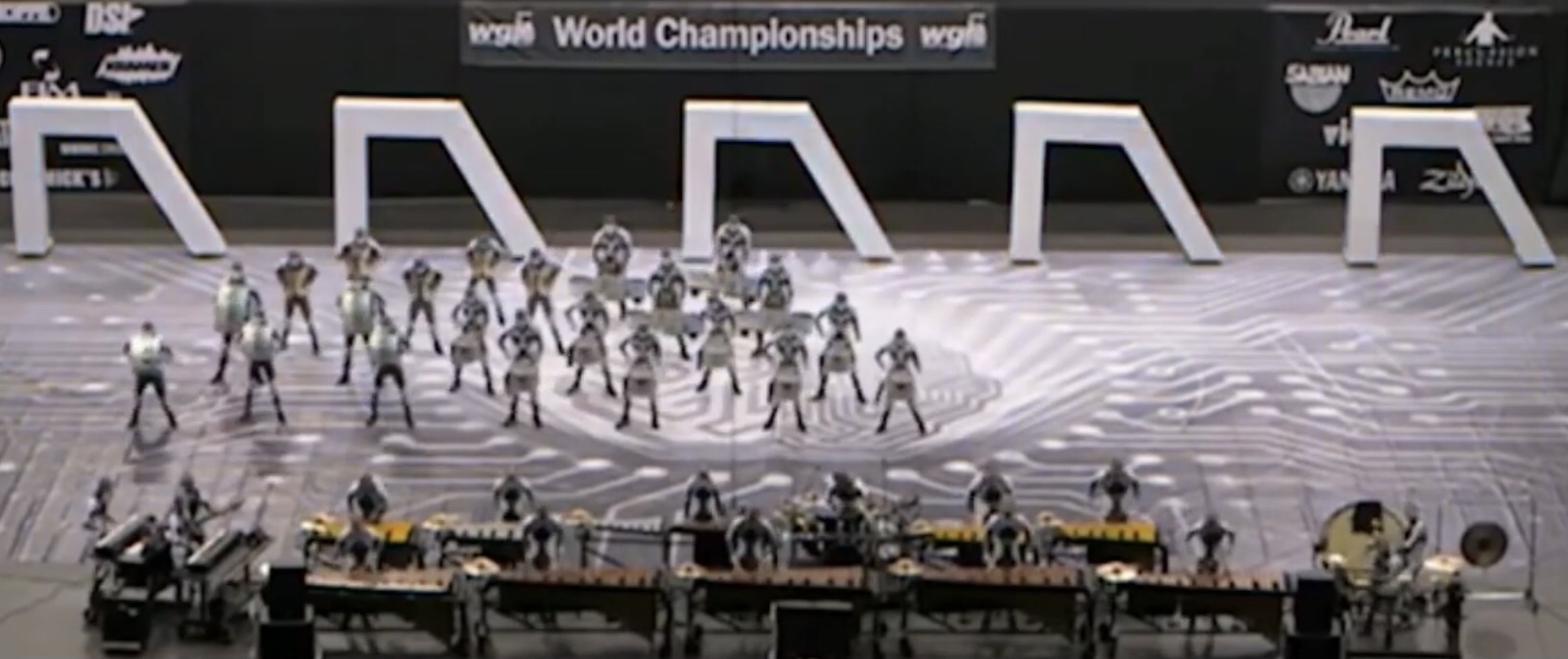
Genesis Percussion
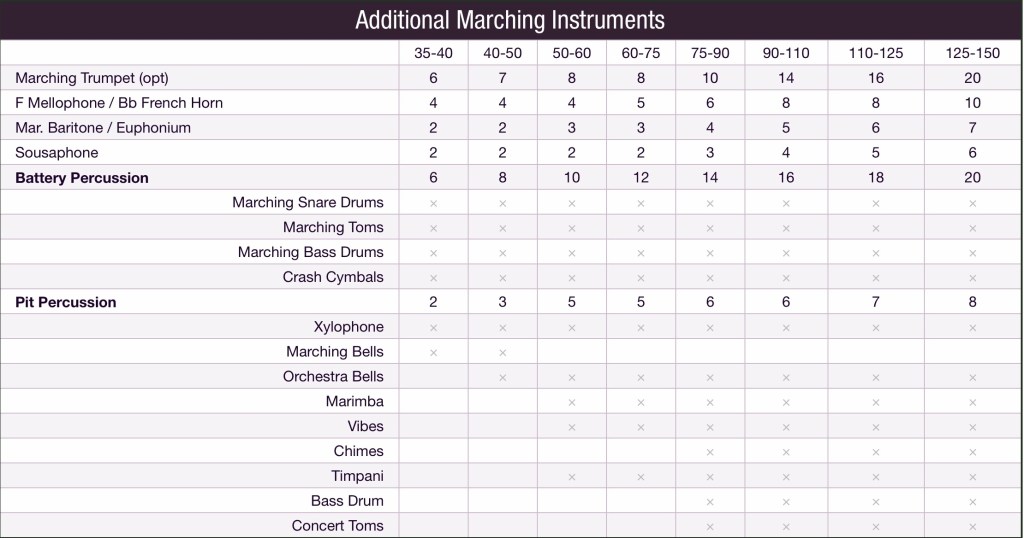
The site below offers specific percussion instrumentation suggestions.
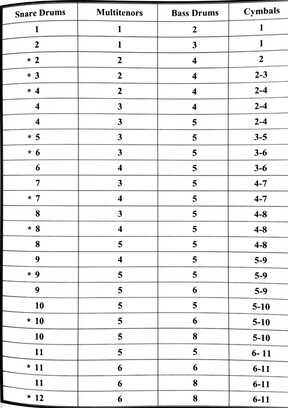
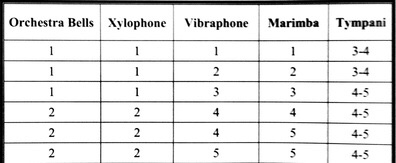
Jazz bands traditionally have a single drummer. Various bands can include vibraphone and steel, African, Latin, Cuban, Drums, and. more. If you have multiple percussionists interested in jazz band, you there is literature that includes these instruments or more. You can also try your hand at writing additional parts, or better yet, teach your students how to do it.
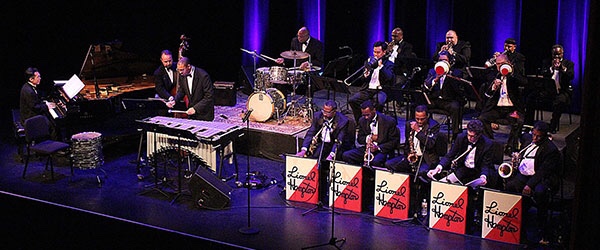
Lionel Hampton’s Big Band
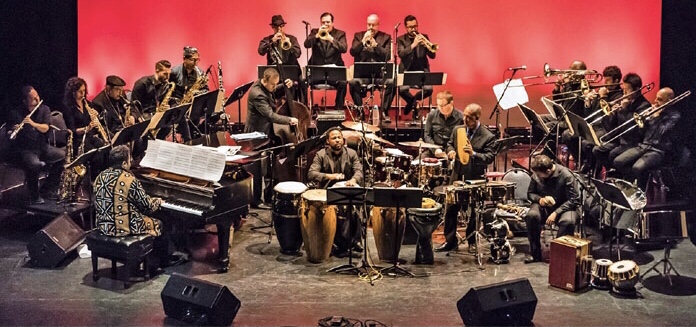
Arturo O’Farrill and the Afro Latin Jazz Orchestra
Percussion ensembles can vary from a two player duet to many. Publishers will have literature to fit any size and ability of ensemble. There are many percussion publishers outside the major companies.
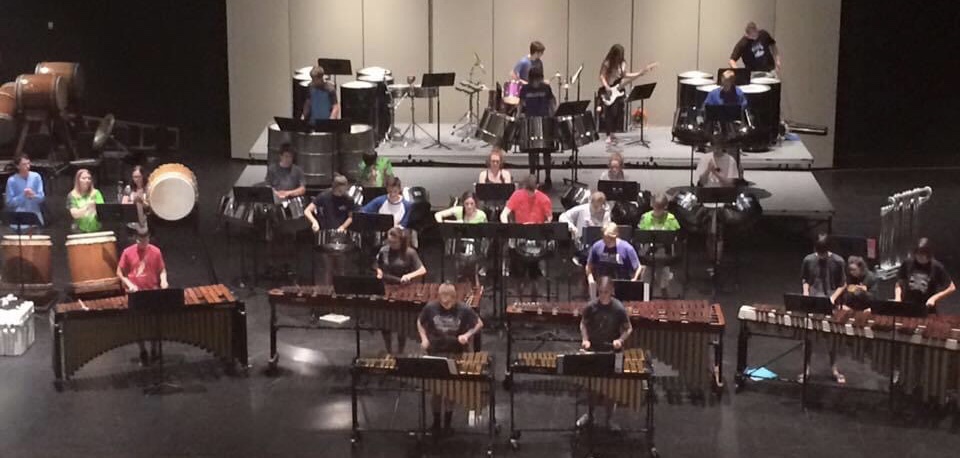
 Grand River Percussion Solutions “the Stream”